Key Takeaways
- Seasonal Nuance: The dry season (May-Sept) is consistent but crowded; the wet season (Oct-Apr) is quieter with different beach options.
- Morning Advantage: Early morning sessions (6:00 AM – 9:00 AM) offer the lightest winds and most stable water surfaces.
- Swell Size Matters: Beginners should aim for swell heights between 2-4 feet for the most comfortable learning experience.
- Tide is Critical: Most beginner-friendly spots near Uluwatu require a mid-to-high tide to ensure depth over the reef.
- Flexibility Wins: The best time to surf is often determined on the day; a professional instructor’s local knowledge is invaluable.
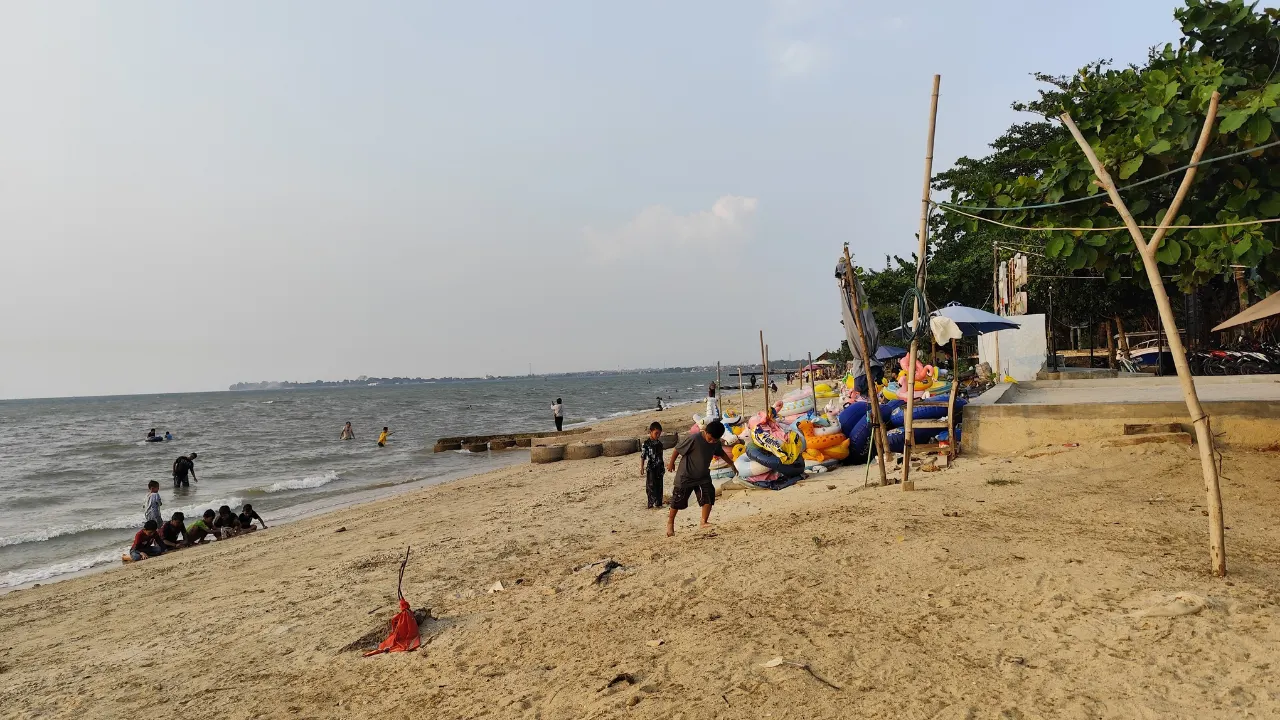
The Dry Season (May – September): Consistency and Off-Shore Winds
The dry season is widely considered the “peak” surf season in Bali. During these months, the Indian Ocean generates massive, powerful swells that travel thousands of miles before hitting the reefs of the Bukit Peninsula. For a beginner, this season is a double-edged sword. On one hand, you are virtually guaranteed to have waves every single day. On the other hand, the swell can frequently be too large for a first-timer.
The saving grace of the dry season is the **offshore trade winds**. These winds blow from the land toward the sea, acting like a comb that “grooms” the waves, making them clean, organized, and much easier to read. However, because this is also the peak tourist season, the lineups at beginner-friendly spots like Balangan Beach can become crowded. The strategy for beginners in the dry season is simple: **go early**. Aim to be in the water by 7:30 AM to beat the crowds and the strengthening afternoon winds.

The Wet Season (October – April): Smaller Swells and Quiter Lineups
Contrary to popular belief, the wet season is an excellent time for beginners to learn in Bali. While the name implies constant rain, most days see only short, intense tropical bursts followed by sunshine. The primary advantage of the wet season is the **lower average swell height**. The massive winter storms in the southern hemisphere subside, replaced by smaller, more “playful” waves that are perfect for building confidence.
The challenge of the wet season is the shifting wind direction. The winds often blow from the west, making some of the Uluwatu spots “onshore” (messy). However, the Bukit Peninsula is uniquely shaped, meaning there is almost always a “protected” corner. During this time, we often look for sessions at beaches like **Nusa Dua** or the beginner-friendly zone at Padang Padang, which stays relatively sheltered. If you haven’t explored the different beach characteristics yet, read our guide on the best surf spots for beginners in Bali.

The “Golden Hour”: Why Mornings are Better for Learning
In the world of surfing, the early morning is widely regarded as the “Golden Hour.” This isn’t just about the beautiful sunrise; it’s about a meteorological phenomenon where the land is cooler than the ocean, creating a light offshore breeze or completely “glassy” conditions.
For a beginner, glassy water is a massive technical advantage:
- Easier Balancing: On a glassy surface, your board doesn’t vibrate or “chatter.” This makes the transition from lying to standing much more stable.
- Clearer Wave Vision: Without wind-blown “chop,” it is easier to see the wave’s shape and predict where it will break. This is essential for learning wave-reading skills.
- Less Physical Fatigue: Paddling through smooth water is significantly less exhausting than fighting against wind and spray.
- Safety and Visibility: Crowds are typically thinner at 7:00 AM than at 10:00 AM, giving you and your instructor more “clean air” to focus on your drills. For more on the curriculum of these sessions, see our first lesson roadmap.
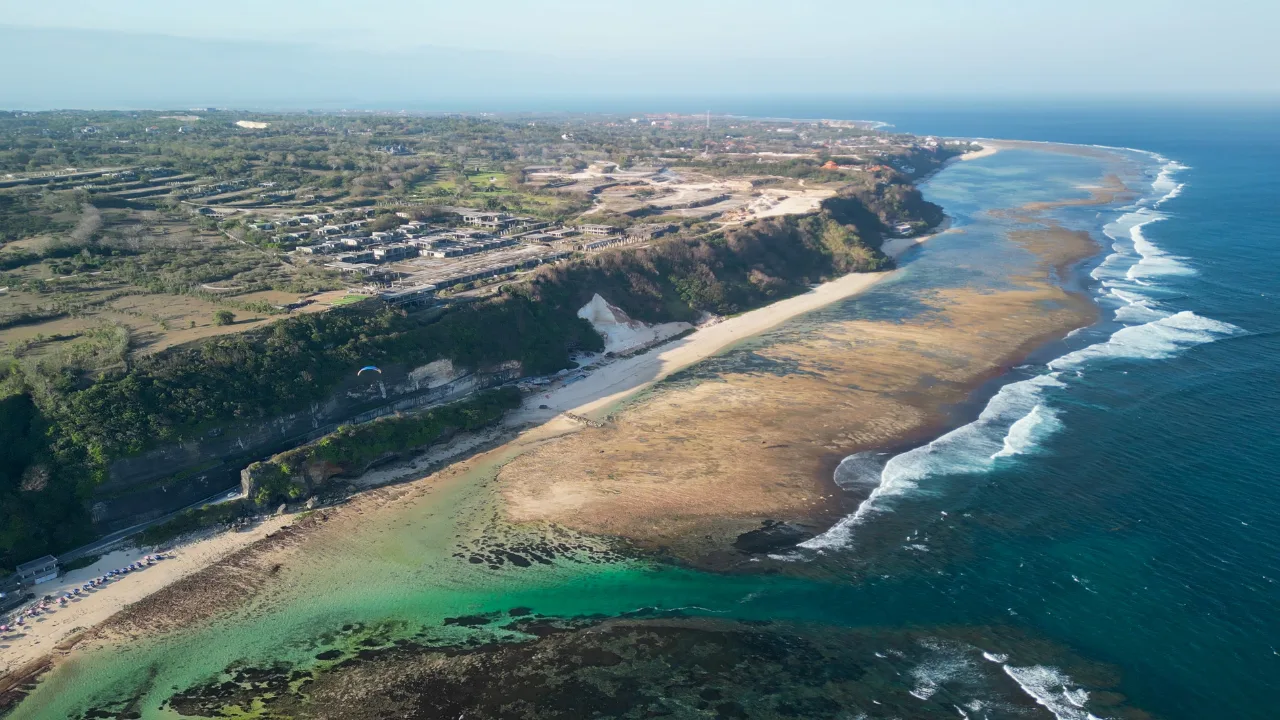
The Clock of the Ocean: Understanding Tide Windows
If seasons determine the monthly plan, tides determine the hourly plan. Bali experiences “semi-diurnal” tides, meaning there are two high tides and two low tides every 24 hours. At many of the best beginner spots in the Uluwatu area, the state of the tide is the primary safety factor.
At beaches like Dreamland Beach or Balangan, a very low tide can expose the underlying reef or cause the waves to break too fast and shallow. Conversely, a very high tide can sometimes cause the waves to lose their “shape” and become too “fat” to catch. For beginners, the **”Mid-Tide”** (the middle 3 hours of a 6-hour tide cycle) is often the safest and most effective window. A professional surf school like Bali Surf Pro monitors these charts daily to ensure your 2-hour lesson coincides with the optimal tide window.

Month-by-Month Beginner Forecast
While every year is different, here is a general expectation for beginner surfing conditions in Bali throughout the calendar year:
| Month Range | Condition Summary | Beginner Rating |
|---|---|---|
| Jan – Mar | Wet season, smaller swells, variable winds. | 7/10 (Stay flexible with beach choices) |
| Apr – Jun | Transition to dry, improving consistency, light winds. | 9/10 (The “Sweet Spot”) |
| Jul – Aug | Peak dry season, large swells, crowded. | 6/10 (Best for advanced, intense for beginners) |
| Sep – Oct | Clean conditions, decreasing swell size. | 8/10 (Great for skill building) |
| Nov – Dec | Transition to wet, warm water, quiet beaches. | 7/10 (Good budget season) |

Strategic Planning: How to Optimize Your Surf Trip
If your primary goal in visiting Bali is to learn to surf, you should prioritize **momentum over duration**. Most beginners find that booking three 2-hour lessons over three consecutive days leads to far better results than spacing them out once a week.
To optimize your planning:
- Stay in Pecatu/Uluwatu: Minimizing your commute to the beach allows you to catch those 7:30 AM morning sessions without exhaustion.
- Check the Forecast: Use tools like Surfline or Magicseaweed to look for “low swell” windows.
- Book a Package: Committing to a multi-day package usually results in better pricing and a more structured learning roadmap. Check our current packages and pricing for 2026.
- Be Beach-Flexible: Do not get “wedded” to one specific beach. Trust your instructor if they suggest moving from Balangan to Padang Padang on a particular day.

Book Your Session at the Perfect Time
Ready to synchronize your holiday with the rhythm of the waves? Our team at Bali Surf Pro is constantly monitoring conditions to provide the safest and most productive beginner lessons in the Uluwatu area. We don’t just teach you to stand; we teach you to understand the ocean.
Contact us directly via WhatsApp to find the best time window for your next session:
WhatsApp: Chat with Bali Surf Pro
View all our lesson formats: Surf Packages & Pricing