Key Takeaways
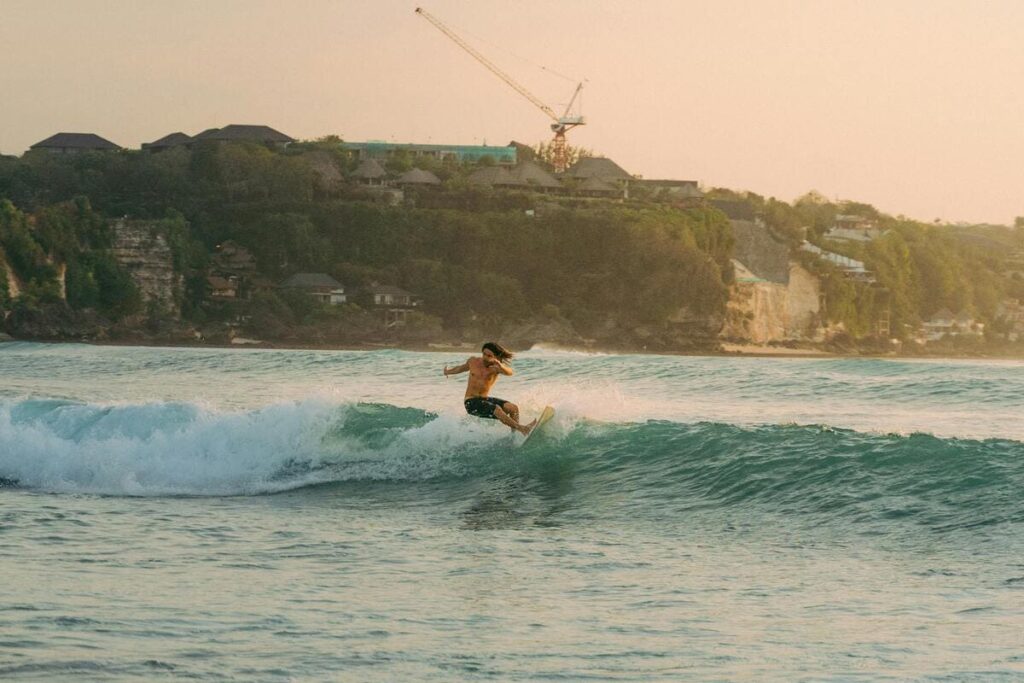
- Dynamic Beach Break: Dreamland is a sand-bottomed break, making it more forgiving for falls than sharp reef spots.
- Strategic Meeting Point: Most professional lessons start here for condition assessment before committing to a location.
- Tide Awareness: The waves at Dreamland are highly sensitive to tide changes; mid-tide is typically the beginner’s friend.
- Crowd Management: As a popular tourist destination, understanding positioning is vital to avoid collisions.
- Professional Guidance: Due to shifting currents, surfing with an instructor is highly recommended for safety.

The Logistics: Why We Meet at Dreamland
One of the most important things for a beginner to understand is that Dreamland often functions as the “mission control” for surfing in the Pecatu area. Many high-quality surf schools, including Bali Surf Pro, do not maintain large, fixed storefronts directly on the sand to keep overhead low and prices competitive. Instead, we use a dedicated meeting point near the main entrance or parking area.
Meeting at Dreamland offers several advantages for the student:
- Central Accessibility: It is easy to find and reachable by car or scooter from any hotel in the Uluwatu or Jimbaran area.
- Expert Assessment: Your instructor will spend the first 10 minutes observing the wave period and set intervals. If Dreamland is “closing out” (waves breaking all at once, making them unsurfable for beginners), they will make the executive decision to move to a safer spot.
- Gear Prep: The meeting point allows us to fit your rash vest and select the perfect board for your size and the day’s specific buoyancy requirements.
To avoid confusion, always confirm your meeting location via WhatsApp. You can find our official Dreamland Meeting Point on Google Maps here.
Ocean Analysis: When is Dreamland Truly Beginner-Friendly?
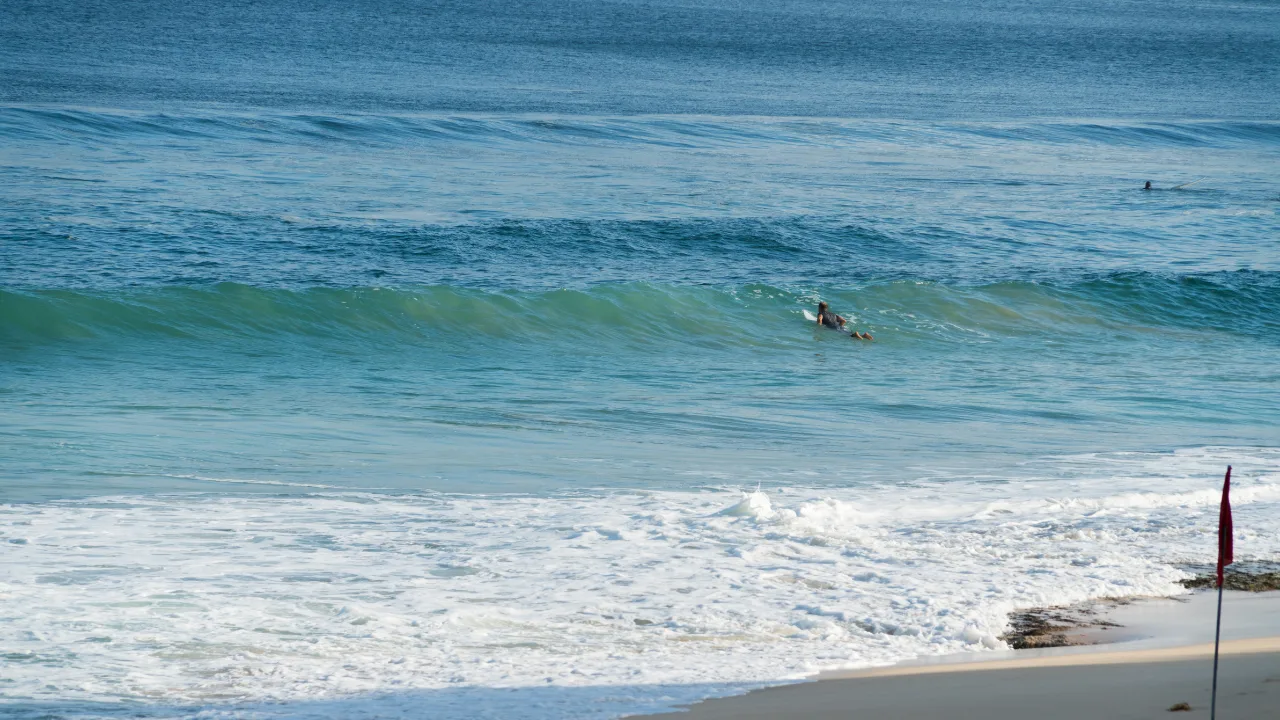
Dreamland’s status as a “beginner” beach is highly conditional. Unlike a reef break that stays relatively similar day-to-day, Dreamland’s sand bottom is constantly in flux. However, under the right parameters, it offers some of the most fun and rewarding practice waves in Bali.
Ideal Beginner Conditions
Beginners thrive at Dreamland when the swell is **2 to 3 feet**. In these conditions, the waves “fatten up” as they hit the sandbar, creating slow-moving walls of water that are forgiving for those still mastering their pop-up. The **mid-tide** (either coming in or going out) is generally preferred; a very high tide can cause the waves to break right on the sand (the “shorebreak”), which is dangerous for beginners, while a very low tide can make the waves too steep and fast.
The Challenges to Watch For
The primary challenge for beginners at Dreamland is the **current**. Because it is a beach break, water that comes in must go back out, often creating “rips” or channels where the water pulls strongly. A professional instructor will keep you positioned in the “impact zone” where you can stand up, ensuring you don’t drift toward the rocks at the northern end of the beach. If you’re interested in how Dreamland compares to other spots, check our Bali beginner surf spot comparison.
What Happens During Your 2-Hour Lesson?
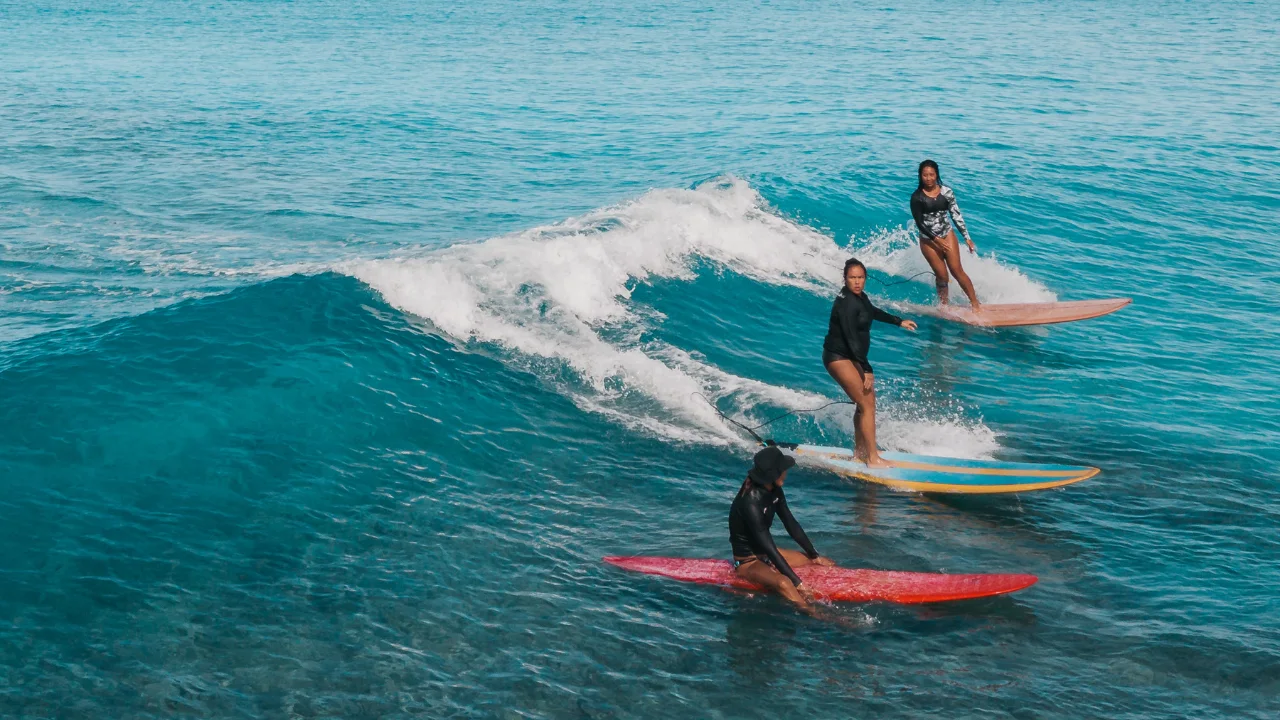
A typical beginner session at Dreamland is designed to be high-repetition and high-energy. Because the paddle back out is generally shorter than at long reef breaks, you often get to attempt more waves in a single session. For a detailed look at the general curriculum, read our first surf lesson roadmap.
- Land Fundamentals: You’ll spend 15-20 minutes on the white sand of Dreamland. Your instructor will teach you the “sweet spot” for lying on the board—essential for preventing the nose from diving (pearling).
- The Pop-Up Drill: You will practice the explosive transition from prone to standing. At Dreamland, we focus on a “low center of gravity” stance to handle the slightly punchier nature of beach-break waves.
- Ocean Entry: Your instructor will show you how to time your walk into the water, using the intervals between sets to reach the primary learning zone with minimal effort.
- Whitewater and Reformers: You’ll start by catching the “broken” foam waves. These provide a steady push that allows you to focus 100% on your stance and balance without worrying about wave timing.
- Active Coaching: After every ride, your instructor will meet you in the water for a 30-second “debrief.” This immediate feedback—”keep your eyes on the shore,” “bend your back knee more”—is what turns a fun day out into a real skill-building session.
Positioning and Etiquette: Navigating the Dreamland Lineup
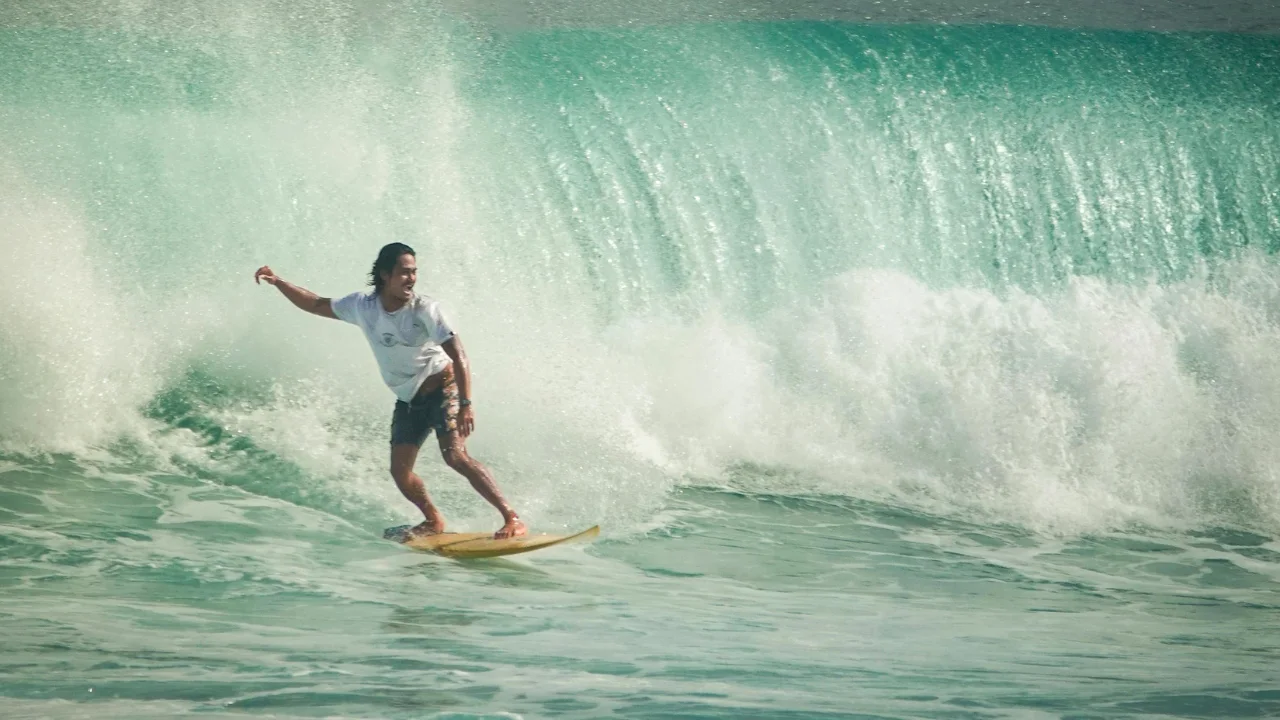
Dreamland is one of the most popular beaches in Bali, attracting both local rippers and international tourists. This means the lineup can get crowded, especially during the peak “Golden Hour” of sunset. For a beginner, a crowded water environment can be intimidating and potentially dangerous if you don’t know the rules.
Important etiquette tips for Dreamland beginners:
- Don’t “Snake”: If another surfer is closer to the peak and catches the wave, it’s theirs. Don’t paddle for it once they are on it.
- The Paddle Out Path: Never paddle straight through the “impact zone” where people are surfing. Always paddle wide to the side of the break to stay out of the way of riders.
- Communication: If you lose control of your board, shout a warning. Your instructor will also use hand signals to guide you away from other surfers.
- Respect the Locals: Bali has a vibrant local surf community. A friendly smile and respectful positioning go a long way in ensuring a positive vibe in the water.

Beach Life: Facilities and Amenities at Dreamland
One reason Dreamland is such a popular base is its excellent infrastructure. Unlike some of the more “secret” beaches that require a steep hike down hundreds of stairs, Dreamland is relatively flat and easy to access, which is a blessing for beginners who are already exhausted after their first 2-hour session.
- Parking: There is a large, paved parking area with a shuttle service that can take you closer to the sand (though most prefer the 5-minute walk).
- Showers and Toilets: Basic public facilities are available for a small fee (IDR 5,000–10,000), allowing you to rinse off the salt and sand before heading to your next activity.
- Food and Drink: The beach is lined with small warungs and beach clubs. You can grab a fresh coconut, a cold Bintang, or a plate of Nasi Goreng immediately after your surf.
- Sunbed Rentals: If you’re traveling with friends or family who aren’t surfing, they can rent sunbeds and umbrellas (approx. IDR 100,000–150,000 for the day) to relax while you’re in the water.

Ready for Your Dreamland Adventure?
Whether you’re a complete first-timer or an advanced beginner looking to build confidence in a dynamic beach-break environment, our team at Bali Surf Pro is ready to guide you. We combine expert local knowledge of Dreamland’s shifting sandbanks with a structured, safety-first coaching approach.
Don’t leave your first surf experience to chance. Book your structured 2-hour lesson directly via WhatsApp to ensure you’re in the water when the conditions are perfect.
WhatsApp for Instant Booking: Chat with Bali Surf Pro
Explore all packages and current 2026 rates: Surf Packages & Pricing