Key Takeaways
- The Dual Zone: Padang Padang consists of an advanced reef break and a separate beginner zone.
- “Baby Padang”: This is the specific area where beginners should stay, characterized by softer, sand-bottomed waves.
- Extreme Tide Sensitivity: The beginner area is highly dependent on the tide; surfing at the wrong time can be shallow and risky.
- Mandatory Coaching: Due to the proximity of advanced waves and shifting currents, a professional guide is essential for first-timers.
- Strict Etiquette: As a world-famous spot, following the “rules of the road” is critical for safety and local respect.

Geography 101: Advanced vs. Beginner Zones
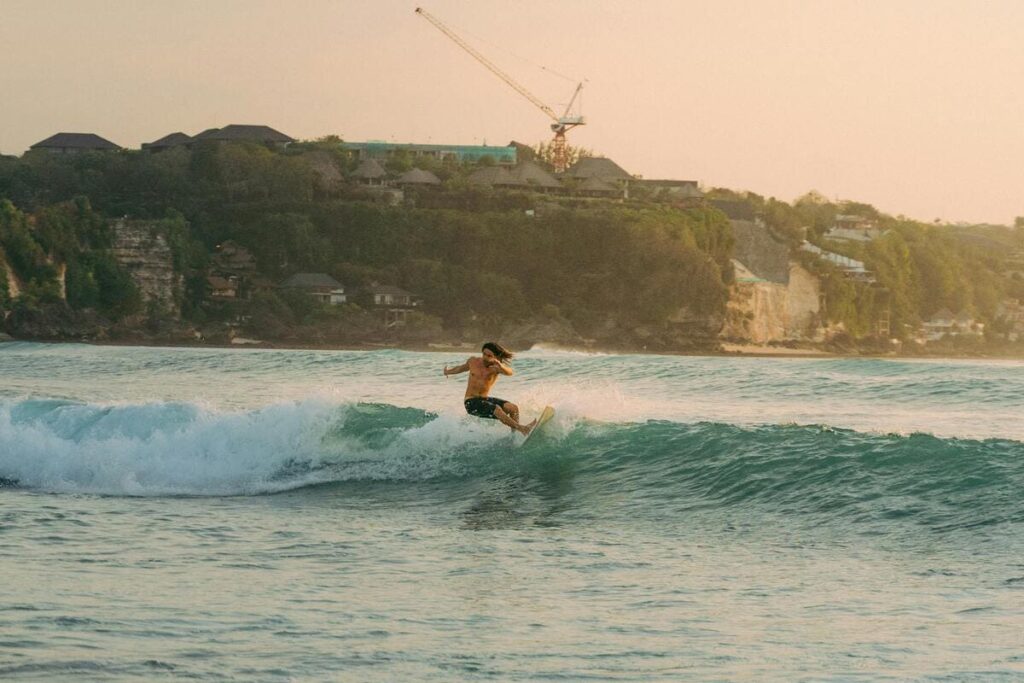
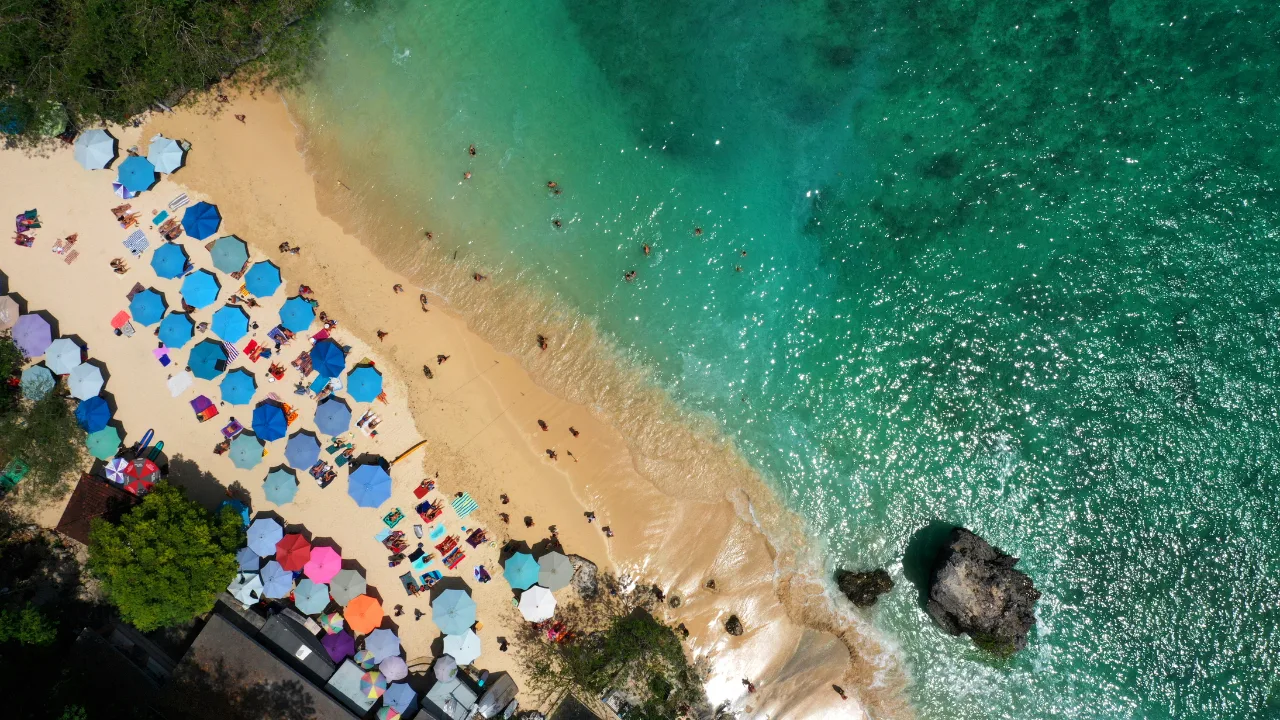
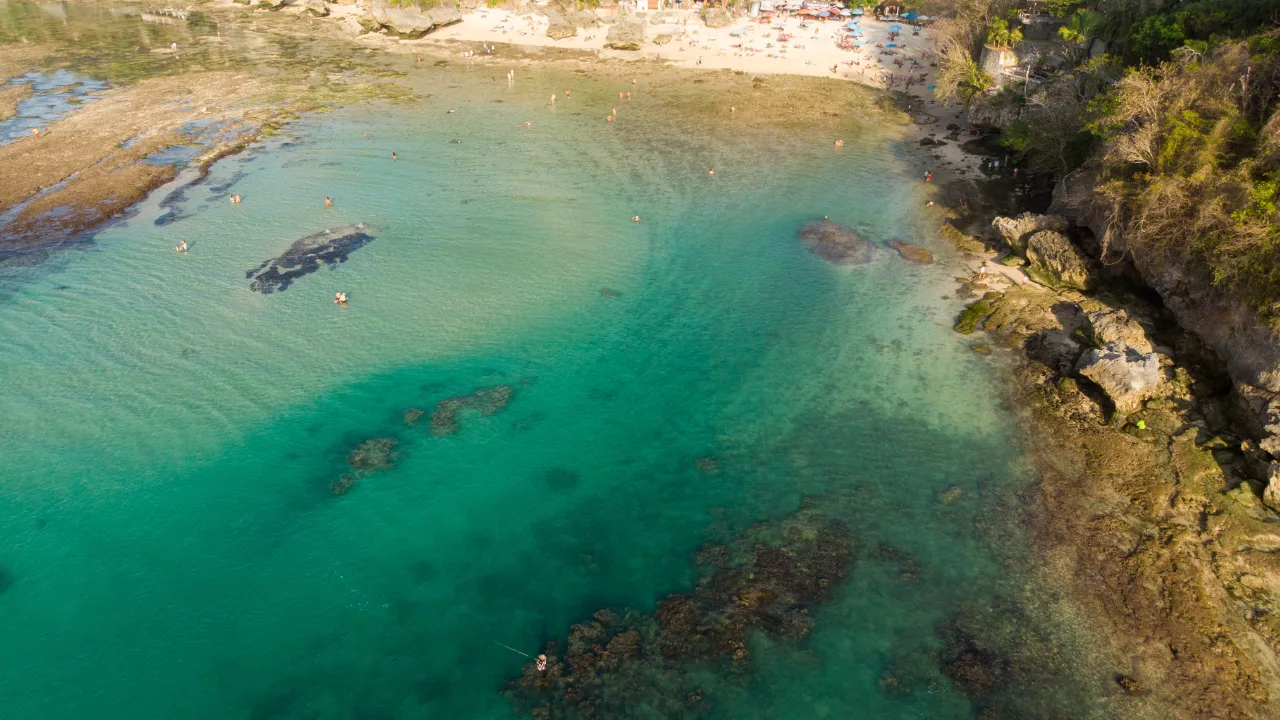
Padang Padang is located down a steep limestone staircase, tucked into a small, picturesque cove. The geography is what makes the surfing here so unique. As you face the ocean, the famous “main” reef break is to your right. This wave breaks over a very shallow, sharp coral reef and is known for its intense speed and vertical drops. It is strictly for expert surfers.
The **beginner zone**, however, is typically located further inside the bay or slightly to the left. Here, the energy from the larger swells is attenuated as it hits the inner sandbanks. The resulting waves are much smaller, break slower, and generally end in deep water. This “Baby Padang” area is where 100% of our beginner lessons take place. If you are a first-timer, you should never even consider paddling toward the right-hand side of the beach. For a broader overview of why some beaches are safer than others, check our guide on the best beginner surf spots in Bali.
Condition Check: Is Today a “Baby Padang” Day?
Because Padang Padang is so protected, it requires a significant swell to “turn on” the beginner area. Paradoxically, a day that is massive and dangerous at Uluwatu might be the perfect day for a beginner lesson at Padang Padang. Conversely, if the swell is very small, there may be no waves at all in the beginner zone.
Tide: The Critical Safety Factor
At Padang Padang, the tide is your most important safety metric. On a low tide, even the beginner area can become very shallow, exposing rocks and coral. Professional instructors will only take beginners out during **mid-to-high tide** windows. This provides a deep cushion of water that ensures your falls are safe and that your fins don’t hit the bottom. To understand how these tide windows change throughout the year, explore our best time to surf Bali guide.
Wind and Visibility
Early mornings are ideal at Padang Padang. The wind is usually offshore, keeping the waves clean and easy to read. As the afternoon trade winds pick up, the water can become “choppy,” making it much harder for a beginner to maintain balance on the board.
Safety Protocol: Avoiding the #1 Beginner Mistake
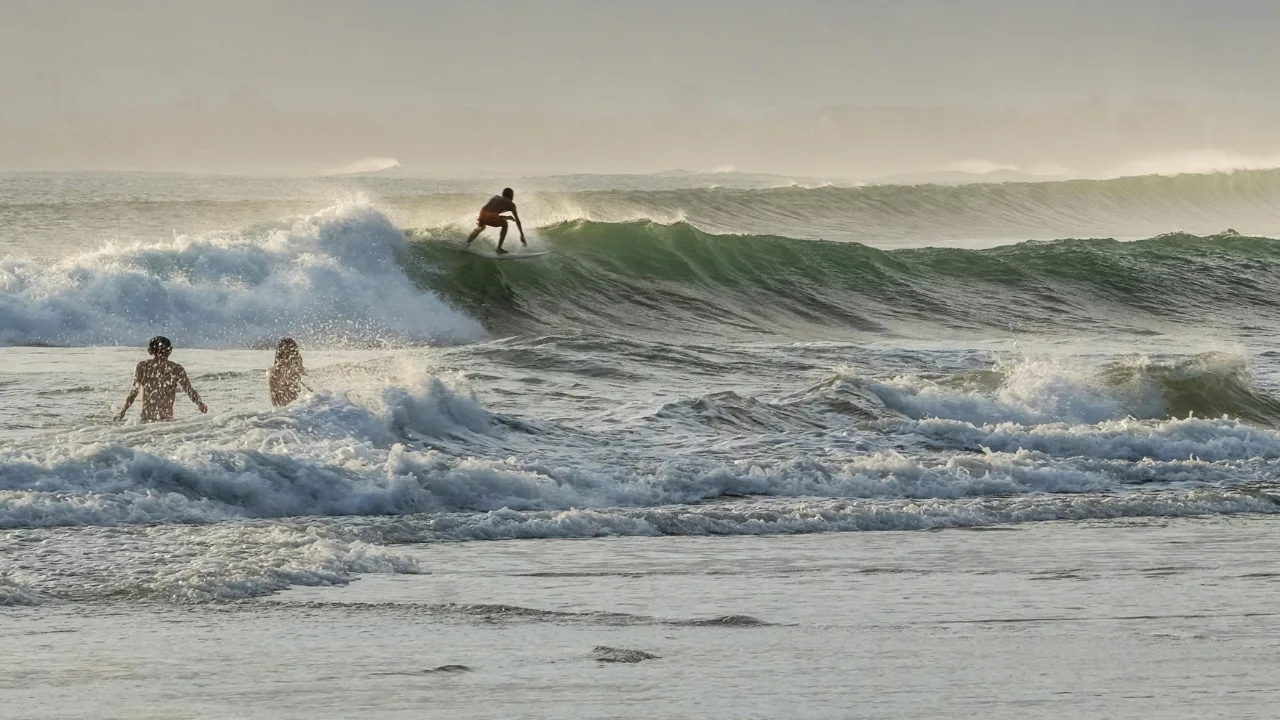
The single most dangerous mistake a beginner can make at Padang Padang is **paddling to the wrong peak**. It is surprisingly easy for a novice to see a wave breaking, think “that looks fun,” and paddle directly into an advanced reef zone. Once you are in that zone, the current can make it difficult to paddle back to safety.
How to stay safe:
- Always go with an instructor: For your first few times at Padang Padang, do not go alone. An instructor provides the “situational awareness” you lack as a beginner.
- Identify Landmarks: Your coach will point out a specific rock or tree on the shore. Your job is to make sure you stay aligned with that landmark. If you drift past it, you are moving into the advanced zone.
- Watch the Crowd: Advanced surfers sit much further out and closer to the breaking “lip.” If you find yourself sitting among people on small, high-performance shortboards, you are in the wrong place.
- If in Doubt, Choose Balangan: If the conditions at Padang Padang look confusing or the tide is dropping, we often recommend moving the lesson to Balangan Beach, which is generally more straightforward for first-timers.
What Happens During Your 2-Hour Lesson at Padang Padang?
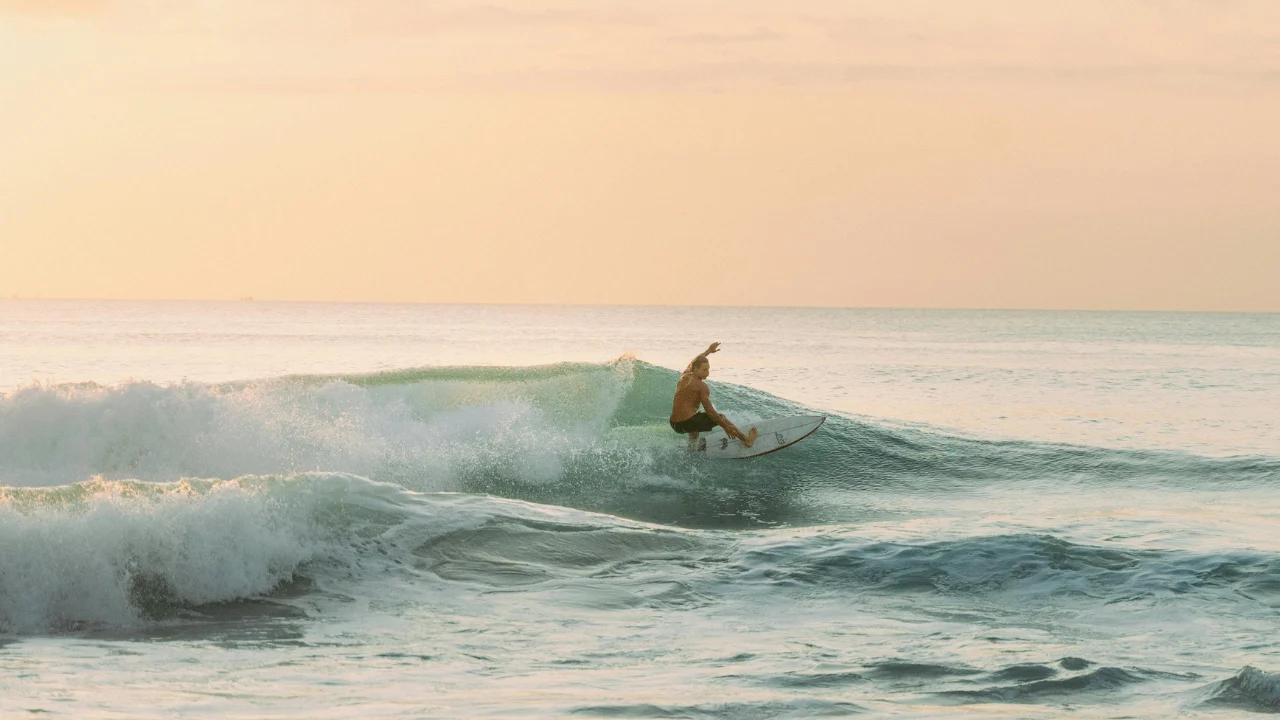
A professional lesson at Padang Padang is a highly structured affair. Because of the technical nature of the beach, the instruction is divided into clear phases. For a detailed breakdown of the general curriculum, read our what to expect guide.
- The Staircase Descent: You’ll begin by descending the iconic stairs. Your instructor will carry the board or help you, as handling a 9-foot soft-top on narrow stairs is a skill in itself.
- Land-Based Safety Briefing: On the sand, you will learn about the “channel” and the “impact zone.” Your instructor will show you exactly where it is safe to fall and where you must avoid.
- Pop-Up Drills: You’ll practice your stance. At Padang Padang, we focus on a **slightly wider stance** for added stability in the shifting water.
- Guided Water Entry: You’ll enter the water through a specific “keyhole” in the reef that is deep and safe for walking. Your instructor will lead the way.
- Timed Rides: In the water, your coach will watch the sets. They will give you a “countdown” (3… 2… 1… PADDLE!) to ensure your timing is perfect. This hands-on assistance is what allows beginners to stand up on their very first day.
Lineup Etiquette: Being a Respectful Beginner
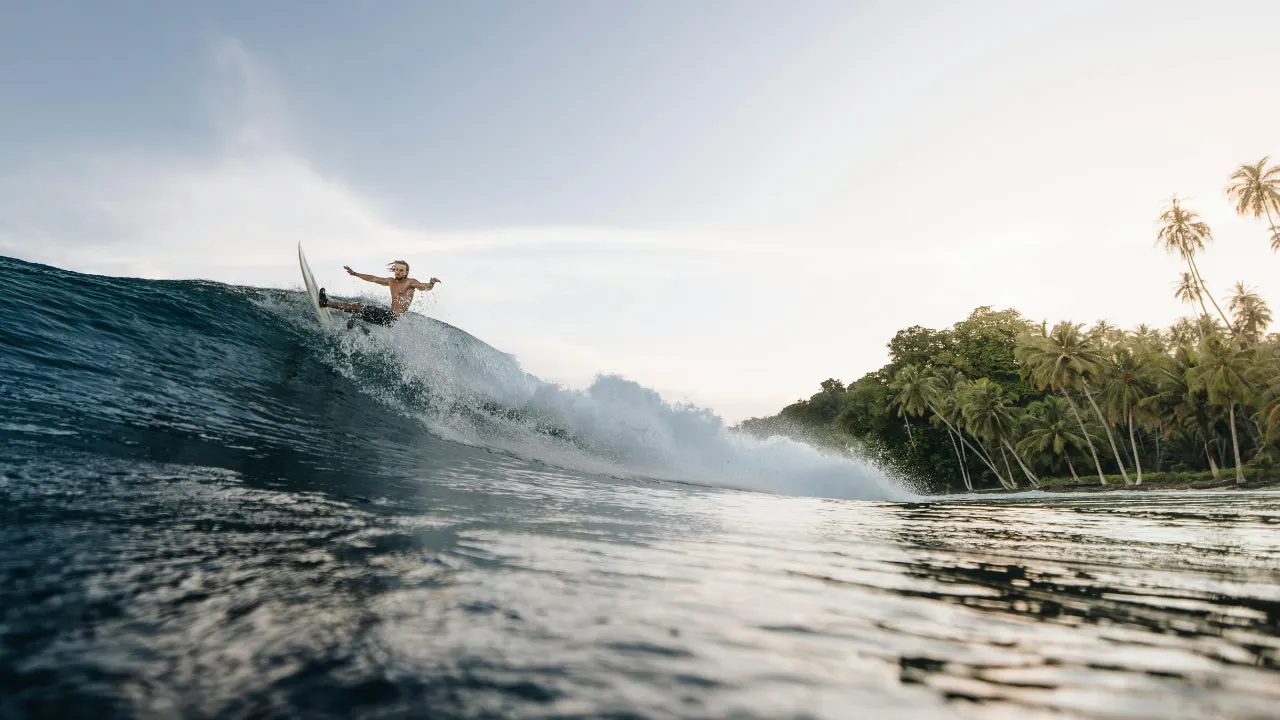
Padang Padang is a high-pressure environment. Because it is so famous, it attracts many surfers of varying skill levels. This can lead to “chaos” if people don’t follow the rules. As a beginner, your goal is to be “invisible”—meaning you don’t get in anyone’s way and you follow proper protocols.
- The Right of Way: The surfer closest to the breaking part of the wave (the peak) has the right of way. If someone is already on the wave, do not paddle for it.
- The “Paddle Wide” Rule: When paddling back out, never go through the area where people are riding. Paddle wide around the break to avoid being a “moving target.”
- Hold Your Board: Never “ditch” your board. If a large wave is coming, you must learn to “turtle roll” (flip the board over and hold on). A loose 9-foot board in a crowded lineup is a serious safety hazard.
- Respect the Locals: The local Balinese surfers are the guardians of this beach. A friendly attitude and respectful positioning ensure a positive experience for everyone.
When Padang Padang Isn’t Right: Better Alternatives
There will be days when Padang Padang is simply not suitable for beginners—perhaps the tide is too low, the wind is too strong, or the crowds are overwhelming. A good instructor will never “force” a session at a dangerous spot. Instead, they will suggest a move to a more appropriate nearby beach.
Common alternatives in the Uluwatu area:
- Balangan Beach: Often gentler and more spacious than Padang Padang. Great for long, slow rides. Read the Balangan guide.
- Dreamland Beach: A sand-bottomed break that is more forgiving for falls. It serves as a great meeting point for assessing conditions. Read the Dreamland guide.
Book Your Structured Beginner Lesson at Padang Padang
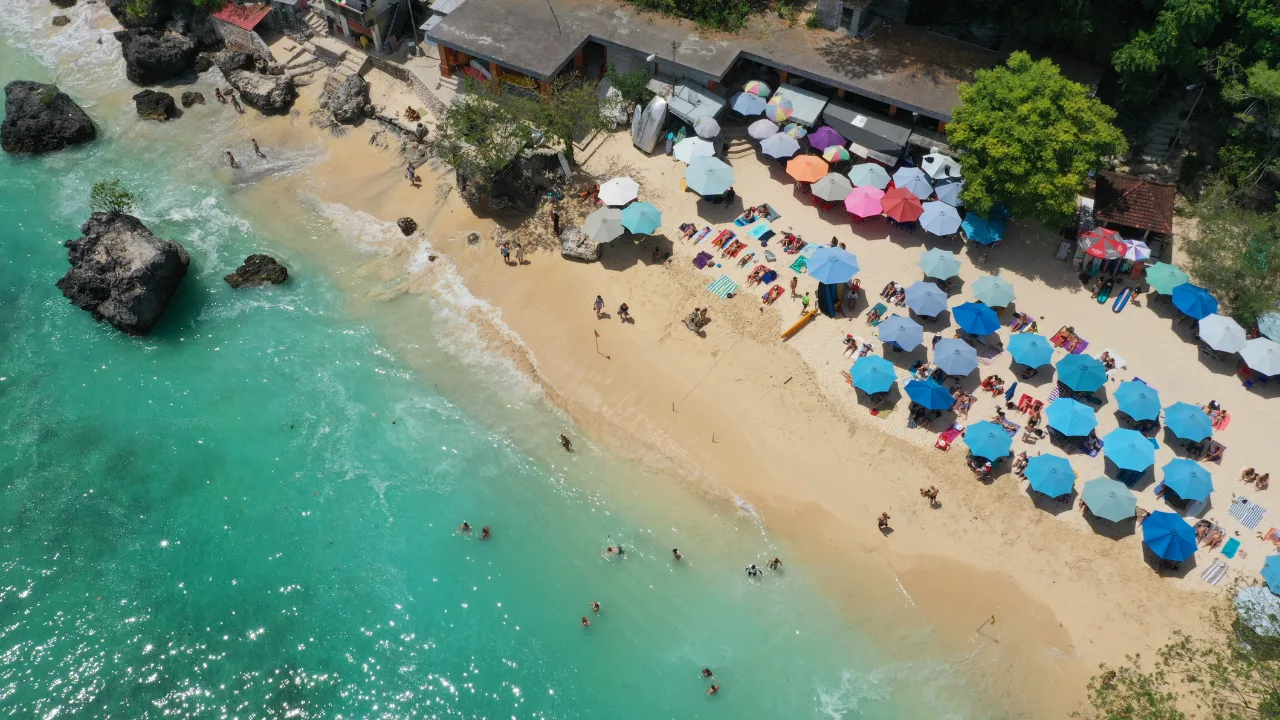
Are you ready to surf at one of Bali’s most beautiful beaches? Our lifeguard-certified instructors specialize in “Baby Padang” coaching, ensuring you stay in the safe zones while catching the maximum number of waves. We handle the tide charts and condition checks so you can focus on the fun.
Book your 2-hour session directly via WhatsApp for instant confirmation and local rates:
WhatsApp: Chat with Bali Surf Pro
View all our lesson options and pricing: Surf Packages & 2026 Prices